The Essence
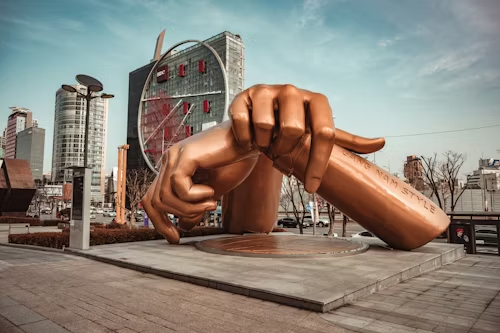
South Korea is a destination where ancient tradition and contemporary luxury coexist with remarkable harmony. From the dynamic energy of Seoul to the historic elegance of Gyeongju and the natural beauty of Jeju Island, South Korea offers a refined and culturally immersive travel experience. Travelers encounter grand palaces, cutting-edge design, Michelin-starred dining, and meticulous hospitality rooted in respect and precision. Whether enjoying luxury shopping, traditional tea ceremonies, or scenic coastal landscapes, South Korea delivers a sophisticated journey that feels both exciting and deeply meaningful, appealing to travelers who value culture, innovation, and elevated experiences.
A Legacy Shaped by Centuries
South Korea’s history spans thousands of years and is deeply influenced by Confucian philosophy, Buddhist traditions, and royal dynasties. The ancient kingdoms of Silla, Goryeo, and Joseon shaped governance, education, art, and architecture, leaving behind palaces, temples, and cultural customs still honored today. Gyeongju, once the capital of the Silla Kingdom, remains a living museum of Korea’s past. Despite periods of invasion, colonization, and war, South Korea preserved its identity and emerged resilient. In the modern era, the country transformed into a global leader in technology, culture, and design, while continuing to respect its historical foundations.
Seasons of Beauty and the Ideal Time to Arrive
– South Korea experiences four distinct seasons
– Spring from April to May offers cherry blossoms and mild weather
– Summer is warm and humid, with festivals and coastal travel
– Autumn from September to October features vibrant foliage
– Winter is cold with snowfall, ideal for ski resorts
– April to May and September to October are the best times to visit
– Seasonal festivals enhance cultural experiences
– Weather varies between coastal and inland regions
– Seasonal planning enhances comfort and sightseeing
Local Wisdom for the Discerning Traveler
– Learn basic etiquette to show respect
– Bowing is a common form of greeting
– Remove shoes when entering homes or temples
– Use public transportation for efficiency
– Visit palaces early morning to avoid crowds
– Dining is a shared social experience
– Respect elders in speech and behavior
– Cashless payments are widely accepted
– Private guides enrich historical visits
– Allow time for cultural immersion
Speaking the Language of Culture
– Korean is the official language
– English is spoken in major cities and hotels
– Hello: Annyeonghaseyo
– Thank you: Gamsahamnida
– Please: Juseyo
– Yes: Ne
– No: Ani
– How much is this: Eolmayeyo
– Excuse me or sorry: Joesonghamnida
– Goodbye: Annyeonghi gaseyo
– Politeness and formality are valued
– Respectful communication is appreciated
Traveling with Confidence and Care
– South Korea is one of the safest countries in Asia
– Crime rates are extremely low
– Public transportation is safe at all hours
– Follow local laws and customs
– Healthcare facilities are world-class
– Emergency services are efficient
– Use licensed taxis or ride services
– Secure personal belongings in busy areas
– Travel insurance is recommended
Arrival Guide
– Incheon International Airport serves Seoul
– Direct flights connect South Korea globally
– High-speed KTX trains connect major cities
– Domestic flights serve Jeju Island
– Private airport transfers are widely available
– Metro systems are modern and efficient
– Concierge services enhance arrival comfort
Iconic Sights and Cultural Landmarks
– Gyeongbokgung Palace reflects royal Joseon history
– Bukchon Hanok Village preserves traditional architecture
– Bulguksa Temple in Gyeongju is a UNESCO World Heritage Site
– Jeju Island offers volcanic landscapes and coastal beauty
A Taste of the Destination
– Korean barbecue is a signature dining experience
– Bibimbap balances flavor and nutrition
– Kimchi reflects culinary heritage
– Temple cuisine offers refined simplicity
– Fine dining elevates traditional flavors
Evenings of Atmosphere and Allure
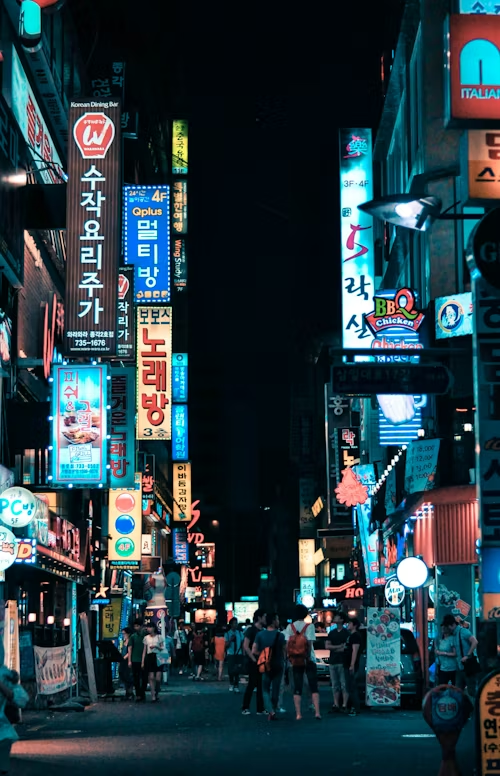
South Korea’s evenings range from refined dining and rooftop lounges in Seoul to cultural performances and tranquil seaside settings on Jeju Island. Night markets, jazz bars, and luxury hotels create a vibrant yet polished after-dark experience.
Treasures, Boutiques, and Local Finds
– Myeongdong offers fashion and beauty shopping
– Insadong showcases traditional crafts
– Luxury department stores feature global designers
– Artisan shops highlight Korean ceramics and textiles
– Cultural markets offer meaningful keepsakes