Ghana
Ghana
Welcome to McXotic Tours' Ghana Expedition—an unforgettable journey through the vibrant heart of West Africa. Begin in Accra, where bustling markets, historic landmarks, and lively neighborhoods showcase Ghana’s rich culture and heritage. From powerful history to vibrant traditions, this immersive experience uncovers the soul of Ghana.

Ghana is a powerful and welcoming destination where history, culture, and contemporary luxury converge. From the energetic capital of Accra to the historic coastal towns of Cape Coast and Elmina, and the cultural heartland of Kumasi, Ghana offers travelers a deeply meaningful experience rooted in heritage and pride. Known for its warm hospitality, vibrant arts scene, and soulful traditions, Ghana invites visitors to connect with West Africa through curated cultural experiences, luxury accommodations, and authentic encounters. It is a destination that blends reflection, celebration, and modern comfort in a way that resonates long after the journey ends.

Ghana’s history is shaped by powerful kingdoms, global trade, and profound resilience. The Ashanti Empire, centered in Kumasi, was one of the most influential West African civilizations, known for its governance, gold wealth, and cultural traditions. Along the coast, European traders established forts and castles, including Cape Coast Castle and Elmina Castle, which played central roles in the transatlantic slave trade. These sites now stand as places of remembrance and education. Ghana gained independence in 1957, becoming the first sub-Saharan African nation to do so. Today, Ghana honors its past while moving confidently toward the future.
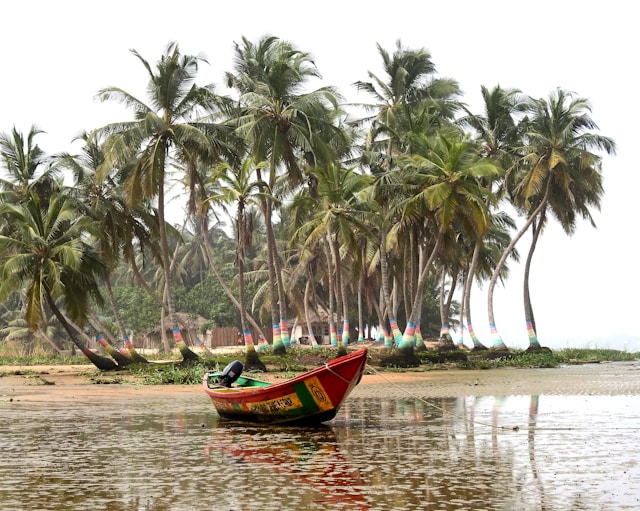
– Ghana has a tropical climate with warm temperatures year-round
– Average temperatures range from the mid-70s to high-80s Fahrenheit
– The dry season from November to March is the best time to visit
– December to February offers ideal weather and cultural festivals
– The rainy season runs from April to October with varying intensity
– Coastal areas like Accra remain warm and breezy
– Northern regions are hotter and drier
– Early mornings and evenings are most comfortable
– Harmattan winds may occur from December to February

– Engage local guides for historical and cultural sites
– Dress respectfully when visiting traditional communities
– Sundays are ideal for beach outings and social events
– Attend cultural performances for authentic experiences
– Traffic in Accra can be heavy; allow extra travel time
– Try traditional foods at well-known local spots
– Support artisan markets and cooperatives
– Ask permission before photographing people
– Stay hydrated and protect against sun exposure

– English is the official language of Ghana
– Local languages include Twi, Ga, Ewe, and others
– English makes communication easy for visitors
– Hello: Hello or Akwaaba (welcome)
– Thank you: Medaase
– Please: Me paakyew
– Yes: Aane
– No: Daabi
– How much is this: Eyi y3 s3n
– Excuse me or sorry: Kafra
– Greetings are important in daily interactions
– Politeness and warmth are highly valued

– Ghana is considered one of the safest countries in West Africa
– Violent crime against tourists is rare
– Use hotel safes for valuables and documents
– Be cautious with cash in crowded areas
– Use licensed transportation services
– Drink bottled or filtered water only
– Follow local customs and laws
– Healthcare facilities are reliable in major cities
– Travel insurance is strongly recommended

Arrival Guide

– Kotoka International Airport serves Accra
– Direct flights available from North America and Europe
– Private airport transfers are widely available
– Domestic flights connect Accra to northern regions
– Road travel connects major cities and regions
– Luxury hotels offer concierge transport services
– Visas are required for most travelers

– Cape Coast Castle offers historical reflection and guided tours
– Elmina Castle is a UNESCO World Heritage Site
– Kwame Nkrumah Memorial Park honors Ghana’s independence leader
– Manhyia Palace in Kumasi showcases Ashanti royalty

– Jollof Rice is Ghana’s most celebrated dish
– Banku and Tilapia are coastal favorites
– Fufu with light soup reflects traditional cuisine
– Kelewele offers spicy fried plantains
– Palm wine and sobolo are popular local drinks

Ghana’s evenings are vibrant and social. Accra offers rooftop lounges, live music venues, and beachside dining, while cultural centers host drumming and dance performances. Social gatherings often blend music, conversation, and culinary enjoyment.

– Makola Market offers textiles, spices, and crafts
– Arts Centre in Accra features handmade souvenirs
– Kente villages near Kumasi showcase traditional weaving
– Contemporary boutiques highlight Ghanaian designers
– Local galleries celebrate modern African art

Trending Destinations

Customer Review

Leave a Reply

Your email address will not be published. Required fields are marked *

Luxury champagne Toast
Days
Hours
Minutes
Seconds

Up to $500 in Travel Savings

Unlock privileged offers, curated travel experiences, and elevated inspiration—delivered directly to your inbox.

Shipping Information