

The Essence

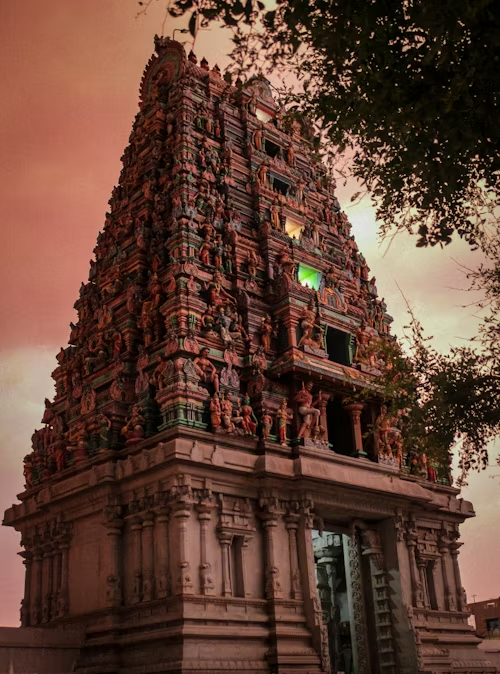
India is a destination of extraordinary richness, where ancient civilization, spiritual depth, and modern luxury intertwine to create one of the world’s most immersive travel experiences. From the historic grandeur of Delhi and Agra to the regal palaces of Rajasthan, the cosmopolitan energy of Mumbai, and the serene backwaters of Kerala, India offers travelers unparalleled diversity. Visitors encounter sacred rituals, architectural masterpieces, vibrant markets, and refined hospitality rooted in centuries-old traditions. Whether exploring UNESCO World Heritage Sites, indulging in regional cuisine, or staying in former royal palaces transformed into luxury hotels, India delivers a journey that is deeply meaningful, visually stunning, and culturally transformative.
A Legacy Shaped by Centuries

India’s history spans more than five thousand years and is among the oldest continuous civilizations in the world. Ancient cultures flourished along the Indus River, laying early foundations in urban planning, trade, and governance. Over centuries, powerful empires such as the Maurya, Gupta, Mughal, and Rajput kingdoms shaped India’s political, artistic, and architectural legacy. Mughal rule produced iconic landmarks like the Taj Mahal in Agra, while Rajput rulers built majestic forts and palaces across Rajasthan. British colonial rule later influenced infrastructure, education, and governance until India gained independence in 1947. Today, India preserves its layered history while advancing as a global cultural and economic force.
Seasons of Beauty and the Ideal Time to Arrive
– India has varied climates due to its vast geography
– Northern India experiences cool winters and hot summers
– Southern regions remain warm year-round
– The best time to visit most regions is October to March
– December to February offers pleasant temperatures in Delhi, Agra, and Rajasthan
– Summer months can be extremely hot in northern cities
– The monsoon season runs from June to September
– Kerala is lush and scenic during monsoon months
– Hill stations provide cooler retreats year-round
Local Wisdom for the Discerning Traveler
– Start sightseeing early to avoid heat and crowds
– Dress modestly when visiting temples and sacred sites
– Use private guides to navigate complex historical sites
– Domestic flights save time between distant cities
– Expect vibrant crowds and sensory experiences
– Respect religious customs and photography rules
– Bottled water is essential for health and safety
– Luxury heritage hotels elevate the travel experience
– Allow flexibility in itineraries
– Engage with local artisans for authentic encounters
Speaking the Language of Culture
– India has multiple official languages
– Hindi and English are widely spoken
– English is commonly used in tourism and business
– Hello: Namaste
– Thank you: Dhanyavaad
– Please: Kripya
– Yes: Haan
– No: Nahi
– How much is this: Yeh kitne ka hai
– Excuse me or sorry: Maaf kijiye
– Goodbye: Alvida
– Polite greetings are highly valued
– English signage is common in major cities
– Respectful communication is appreciated
Traveling with Confidence and Care
– India is generally safe for travelers with proper planning
– Travel with reputable guides and drivers
– Avoid isolated areas late at night
– Secure valuables and use hotel safes
– Be cautious with street food and hygiene
– Drink bottled or filtered water only
– Follow local customs and dress codes
– Healthcare facilities are modern in major cities
– Emergency services are available
– Travel insurance is strongly recommended
Arrival Guide
– Major international airports include Delhi, Mumbai, and Bangalore
– Direct flights connect India to major global cities
– Domestic flights efficiently connect regions
– Luxury trains offer curated travel experiences
– Private airport transfers are widely available
– Railways provide extensive national coverage
– Visa requirements vary by nationality
Iconic Sights and Cultural Landmarks
– The Taj Mahal in Agra is an iconic symbol of love and architecture
– Jaipur’s Amber Fort reflects royal Rajasthan heritage
– The backwaters of Kerala offer tranquil houseboat experiences
– The ghats of Varanasi showcase spiritual rituals and tradition
A Taste of the Destination
– Butter Chicken is a rich North Indian favorite
– Biryani is a fragrant rice dish with regional variations
– Masala Dosa highlights South Indian cuisine
– Thali meals offer a variety of traditional flavors
– Street snacks reflect India’s culinary diversity
Evenings of Atmosphere and Allure
India’s nightlife varies by region. Mumbai and Delhi offer upscale lounges, rooftop bars, and live music venues, while heritage cities focus on cultural performances, evening markets, and refined dining experiences.
Treasures, Boutiques, and Local Finds
– Chandni Chowk in Delhi offers traditional goods and textiles
– Jaipur markets showcase jewelry, handicrafts, and block prints
– Mumbai features luxury malls and designer boutiques
– Kerala specializes in spices, tea, and handicrafts
– Artisan villages offer handcrafted souvenirs