Morocco
Morocco
Morocco is a captivating destination where ancient traditions meet vibrant modern life. From the colorful souks and historic medinas of Marrakech and Fes to the vast Sahara Desert and scenic Atlas Mountains, the country offers diverse and unforgettable experiences. Visitors can explore ornate palaces, enjoy rich flavors of Moroccan cuisine, and relax in traditional riads. With its blend of culture, history, and dramatic landscapes, Morocco promises a journey full of color, charm, and discovery.

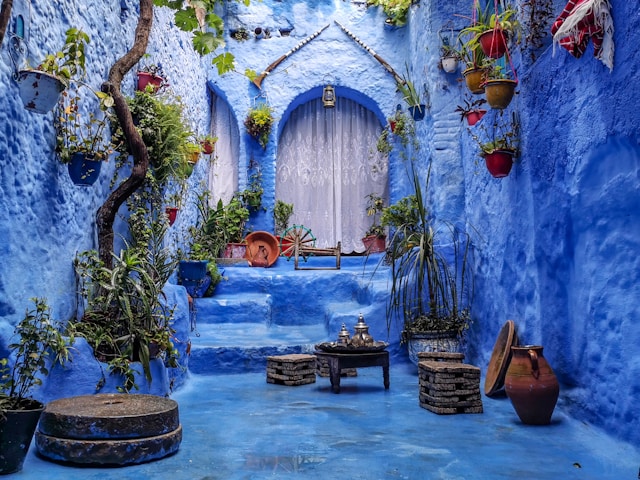
Morocco is a destination where ancient tradition, vibrant culture, and refined luxury come together in a sensory-rich experience. From the bustling souks of Marrakech to the blue-washed streets of Chefchaouen, the imperial elegance of Fes, and the cosmopolitan coast of Casablanca, Morocco offers remarkable diversity. Travelers are immersed in ornate architecture, aromatic cuisine, dramatic landscapes, and warm hospitality rooted in centuries of tradition. Whether staying in a restored riad, exploring desert dunes, or enjoying contemporary luxury resorts, Morocco delivers a journey defined by color, craftsmanship, and cultural depth.

Morocco’s history reflects a powerful blend of Berber, Arab, Andalusian, and European influences. Indigenous Berber tribes laid early foundations before Arab expansion introduced Islam, shaping Morocco’s spiritual and architectural identity. Imperial cities such as Fes, Marrakech, Meknes, and Rabat flourished as centers of learning, trade, and governance. Later European influence, particularly French and Spanish, added layers of modern infrastructure and design. Despite external influences, Morocco preserved its monarchy and cultural autonomy. Today, its medinas, palaces, and traditions stand as living history, offering travelers a deep connection to a proud and enduring heritage.

– Morocco has a varied climate influenced by coastlines, mountains, and desert
– Spring March to May offers mild temperatures and blooming landscapes
– Autumn September to November is ideal for sightseeing and desert travel
– Summer can be hot, especially in Marrakech and inland regions
– Coastal cities like Casablanca enjoy more moderate temperatures
– Winter is cooler, with snow in the Atlas Mountains
– Desert nights can be cold year-round
– Early mornings and evenings are best for exploration
– Seasonal planning enhances comfort and experience

– Explore medinas with a local guide for deeper insight
– Dress modestly, especially in traditional neighborhoods
– Bargaining is expected in souks but should be respectful
– Stay in riads for authentic luxury experiences
– Fridays are quieter mornings due to prayer
– Accept mint tea as a gesture of hospitality
– Use licensed guides and drivers for excursions
– Plan extra time for travel between cities
– Visit souks early to avoid crowds
– Respect photography etiquette, especially with people

– Arabic and Berber are official languages
– French is widely spoken in business and tourism
– English is increasingly common in major cities
– Hello: Salam Alaikum
– Thank you: Shukran
– Please: Afak
– Yes: Naam
– No: La
– How much is this: Bsh-hal
– Excuse me or sorry: Smah liya
– Goodbye: Bslama
– Polite greetings are highly valued
– Language reflects respect and warmth

– Morocco is generally safe for travelers
– Petty theft can occur in crowded areas
– Keep valuables secure and use hotel safes
– Be cautious in unfamiliar areas at night
– Use registered guides and official transport
– Drink bottled water only
– Follow local customs and laws
– Avoid political demonstrations
– Healthcare facilities are reliable in major cities
– Travel insurance is recommended

Arrival Guide

– Major international airports include Casablanca, Marrakech, and Rabat
– Direct flights connect Morocco to Europe, the Middle East, and North America
– Domestic flights connect key cities efficiently
– Highways link major destinations
– Private transfers and luxury drivers are widely available
– Trains connect Casablanca, Rabat, Fes, and Tangier
– Guided desert transfers are arranged through hotels

Taxis

Taxis are a common and convenient way to get around Egyptian cities. Fares are usually negotiated in advance or metered in major cities like Cairo and Alexandria. Using official taxis or ride-hailing apps ensures safety and a reliable means of transportation to hotels, attractions, and local markets
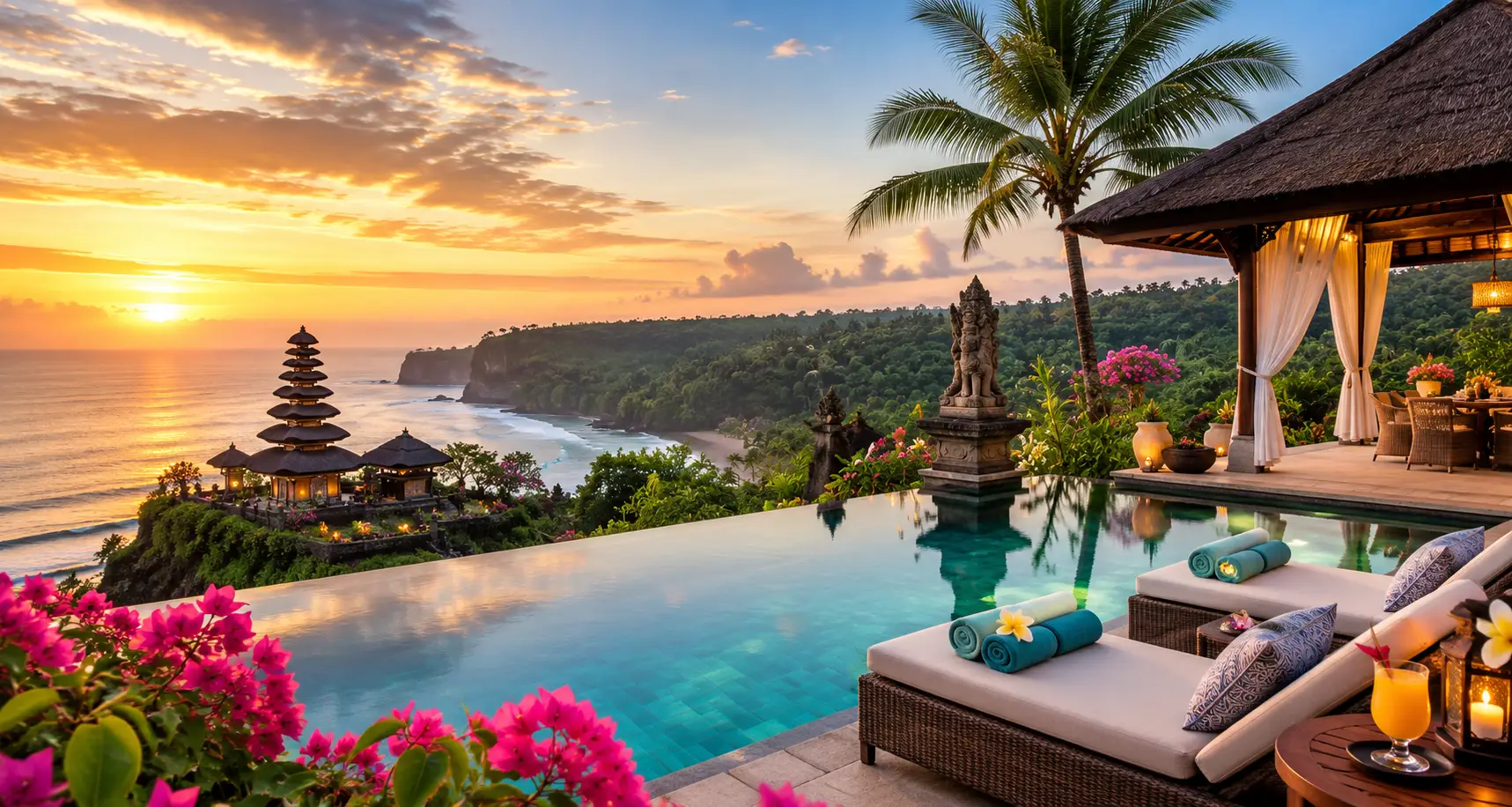
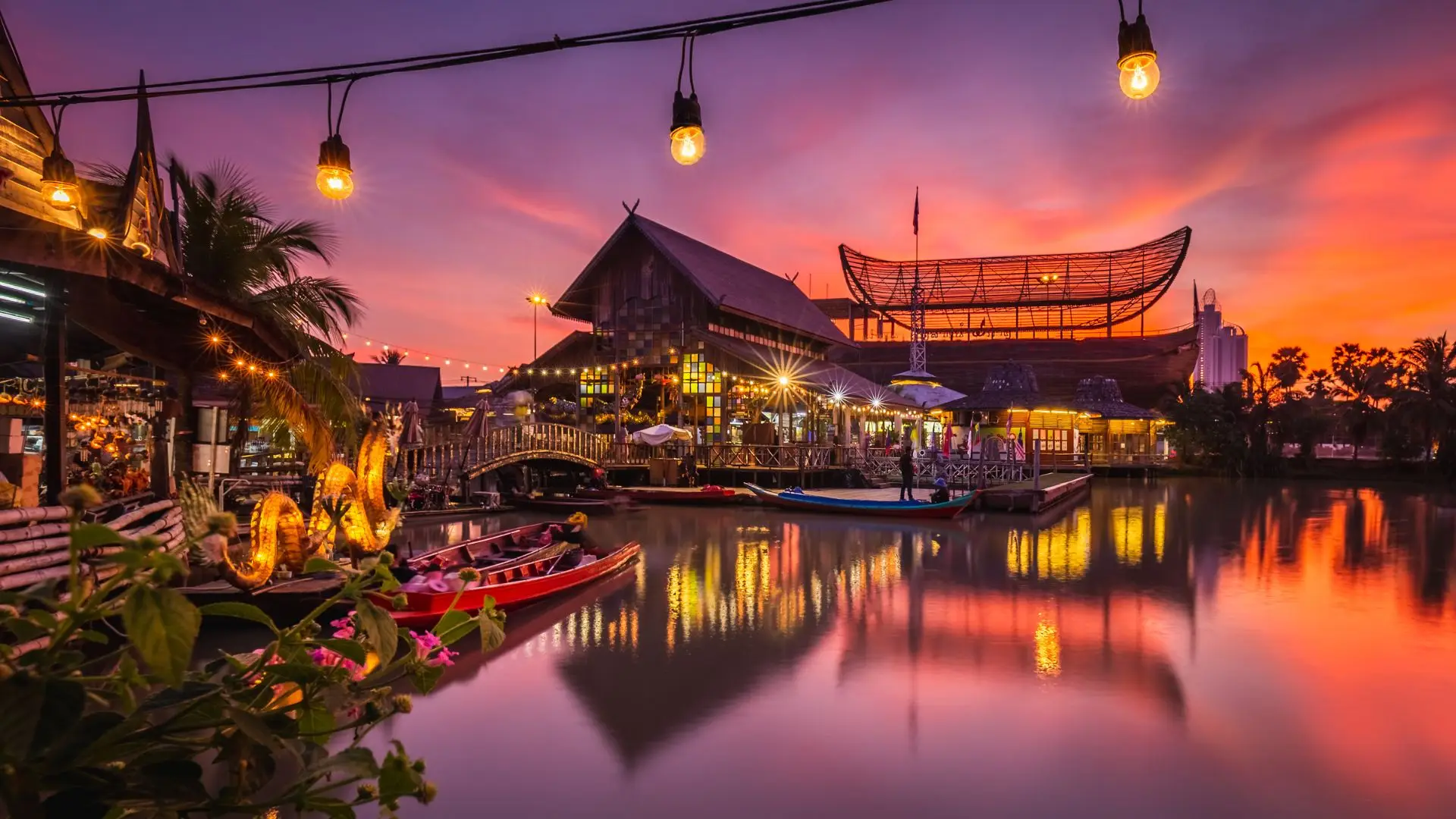
– Jemaa el-Fnaa in Marrakech showcases culture, music, and daily life
– Fes el-Bali is one of the world’s largest historic medinas
– Hassan II Mosque in Casablanca reflects modern Moroccan grandeur
– Chefchaouen offers scenic beauty in the Rif Mountains

– Tagine is Morocco’s signature slow-cooked dish
– Couscous is traditionally enjoyed on Fridays
– Pastilla blends sweet and savory flavors
– Harira soup is rich and comforting
– Mint tea is a symbol of hospitality

Moroccan evenings are atmospheric and cultural. Marrakech offers rooftop dining, live music, and elegant lounges, while riads provide intimate candlelit settings. Coastal cities feature refined seaside dining and relaxed nightlife.

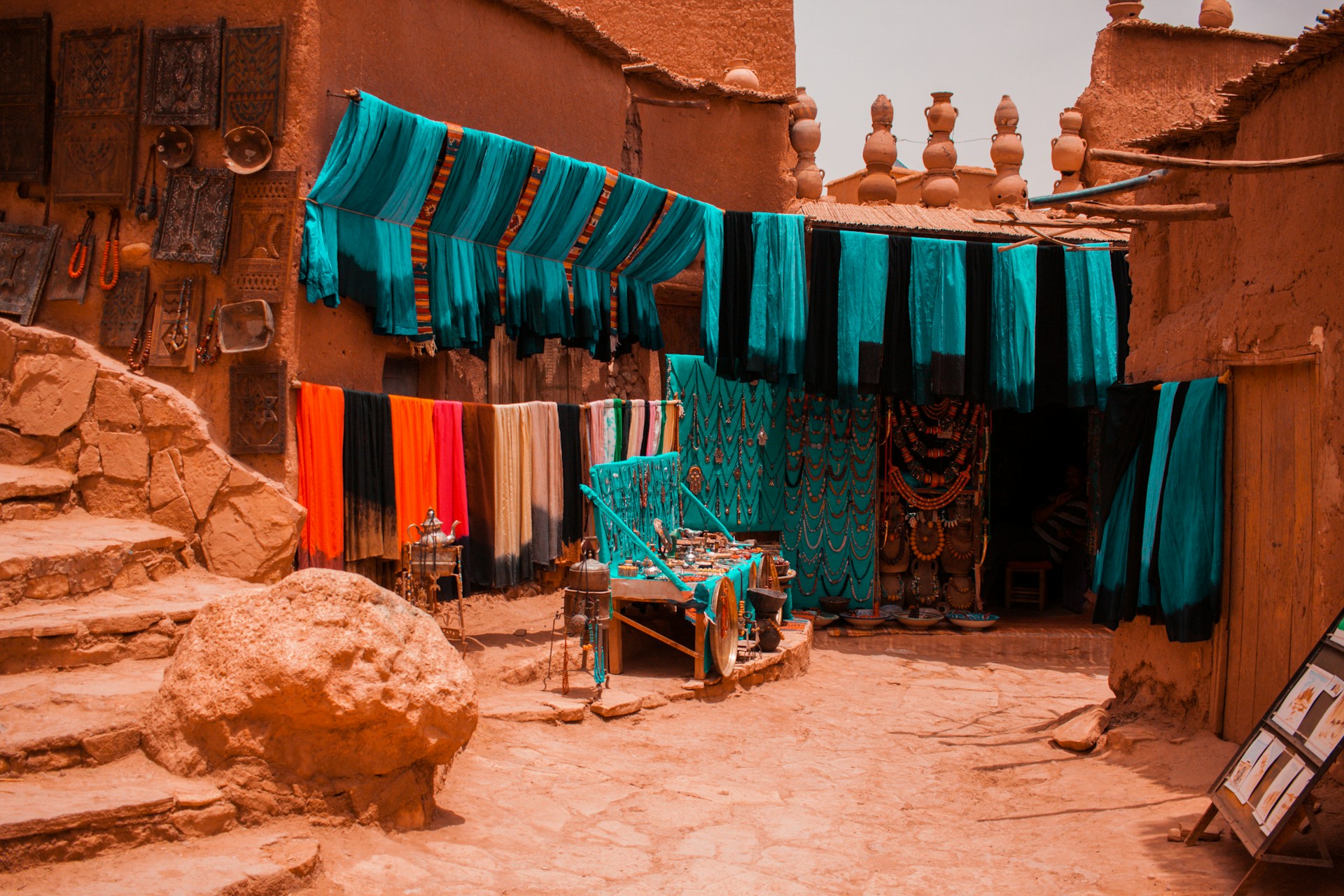
– Marrakech souks offer spices, leather, and lanterns
– Fes is known for ceramics and leather goods
– Casablanca features modern malls and boutiques
– Artisan cooperatives sell handmade rugs and textiles
– Local markets offer unique home decor and gifts

Trending Destinations

Customer Review

Leave a Reply

Your email address will not be published. Required fields are marked *

Luxury champagne Toast
Days
Hours
Minutes
Seconds

Up to $500 in Travel Savings

Unlock privileged offers, curated travel experiences, and elevated inspiration—delivered directly to your inbox.

Shipping Information